
The Pros and Cons of Buying A Fixer-Upper

If you’re in the market for a new home, you may have come across several fixer-uppers. These properties, often sold at a lower price, offer a unique opportunity for homebuyers. However, the question remains: is buying a fixer-upper worth it? Let’s explore the pros and cons to help you make an informed decision.
Pros of Buying a Fixer-Upper
1. Lower Purchase Price: Fixer-uppers typically come with a significantly lower price tag compared to move-in ready homes. This can make homeownership more accessible, especially for first-time buyers. The savings on the initial purchase can also be funneled into renovations.
2. Customization: When you buy a fixer-upper, you have the opportunity to personalize every aspect of the home. You can make decisions on layouts, finishes, and features to fit your style and needs. If you’re someone who loves designing spaces, a fixer-upper allows for creativity that new constructions may not.
3. Potential for Increased Value: By making improvements, you can increase the home’s value significantly. If you’re strategic with your renovations, you might recoup your costs and then some when you decide to sell. This potential for appreciation can make a fixer-upper a smart long-term investment.
4. Character and Charm: Older homes often have unique architectural features and historical character that new builds lack. Buying a fixer-upper allows you to preserve and restore these charming aspects while also bringing the home up to modern standards.
5. Learning Experience: For those who enjoy DIY projects, a fixer-upper can be an excellent chance to learn new skills. From basic carpentry to interior design, you can gain valuable experience while adding personal touches to your home.
Cons of Buying a Fixer-Upper
1. Time and Effort: Renovations can be time-consuming and often require significant effort. Balance is key; if you have a busy lifestyle or limited availability, a fixer-upper might lead to stress rather than enjoyment.
2. Unexpected Costs: While you may save money upfront, unexpected repairs can add up quickly. Issues like plumbing, electrical work, or structural damage might arise that weren’t apparent during the initial inspection. It’s essential to budget for these potential costs and have a contingency fund.
3. Financing Challenges: Not all lenders are willing to finance properties that require extensive renovations. You’ll need to explore specialized loans, which may involve a more complicated approval process. Additionally, it’s important to be mindful of your overall budget to avoid overextending financially.
4. Location Limitations: Sometimes, fixer-uppers are situated in less desirable neighborhoods. Researching the area’s potential for growth and development is crucial. A beautiful home in a declining neighborhood may not yield the investment return you desire.
5. Longer Time Until Move-In: Depending on the extent of renovations needed, it might be a while before you can actually move into your new home. This could require you to find temporary housing, adding additional stress to the situation.
Bottom-line
Buying a fixer-upper can be a rewarding endeavor for the right buyer. While there are challenges involved, the potential for customization, increased value, and the thrill of transforming a home can make the effort worthwhile. It’s crucial to do thorough research, assess your budget, and consider your lifestyle before diving into such a project. With the right mindset and planning, a fixer-upper could be the home of your dreams.
Recent Updates

Why Location Still Matters—Just Not the Way It Used To
Location still matters in real estate—but not for the reasons it once did. Today’s buyers are redefining what makes a great place to live, focusing less on commute times and more on lifestyle, flexibility, and everyday quality of life.
The First 30 Seconds: How Buyers Decide If They Love a Home
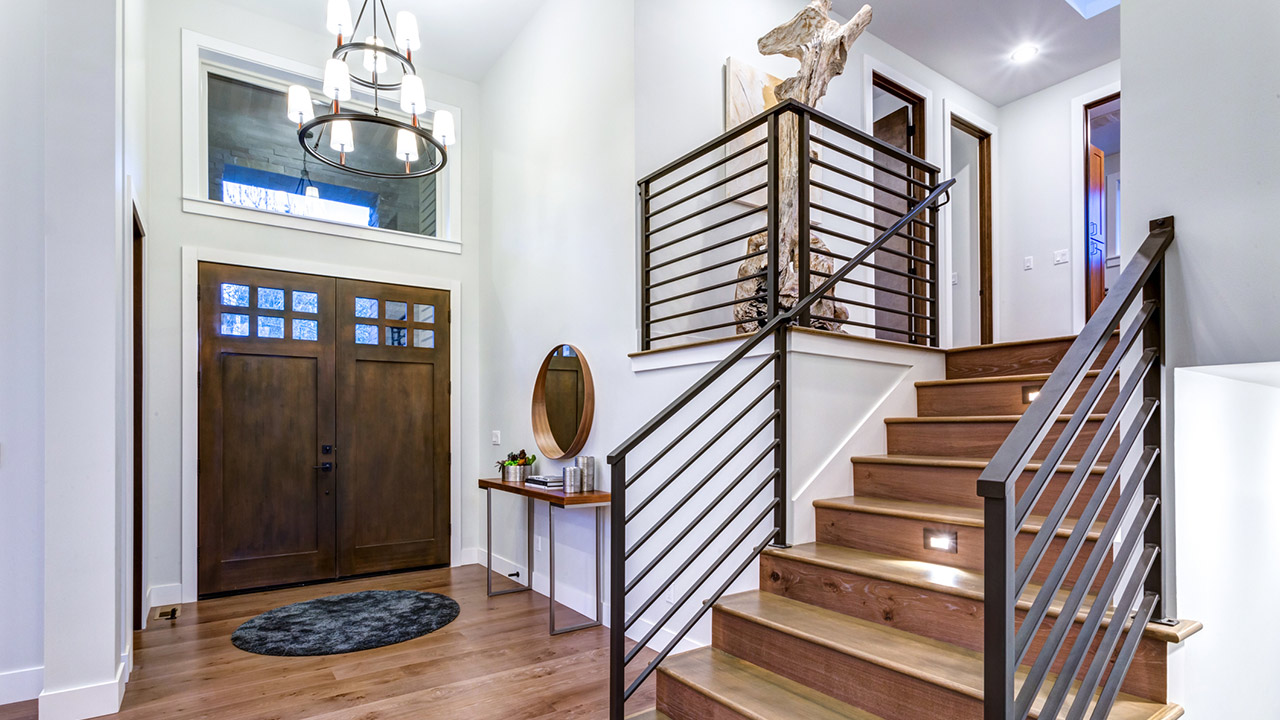
Buyers often decide how they feel about a home within the first 30 seconds of walking through the door. From curb appeal to lighting and scent, those initial moments create an emotional reaction that can make or break a showing. Learn what buyers notice instantly—and how sellers can make those first seconds count.

Flex Rooms: Why the Most Valuable Room in Your Home Doesn’t Have a Fixed Purpose
Today’s most valuable room isn’t defined by a single purpose. Flex Rooms give homeowners the freedom to work, host, relax, and evolve—all within the same space.