
Designer’s Secrets: Master the Art of Interior Lighting at Home
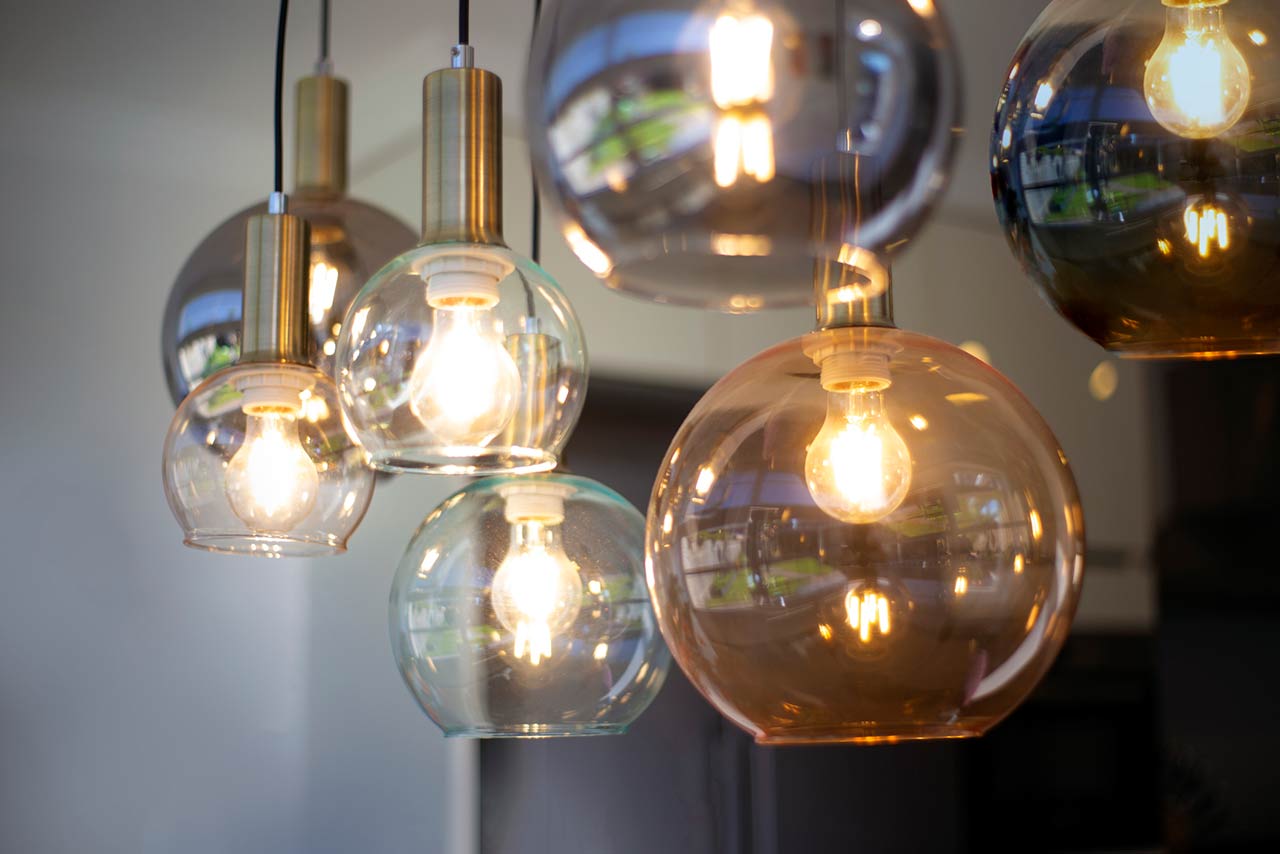
When it comes to designing a beautiful, comfortable home, lighting often plays the quiet hero. It has the power to make a small room feel spacious, turn a bland corner into a cozy retreat, and set the perfect mood from sunrise to sunset. Whether you’re planning a complete redesign or just want to enhance your current space, mastering interior lighting is a must. Here are the top designer secrets to help you light your home like a pro.
1. Layer Your Lighting Like a Pro
Designers rarely rely on just one light source. Instead, they use three layers of lighting to add depth and flexibility:
- Ambient lighting: This is your main source—typically overhead fixtures or recessed lighting.
- Task lighting: These lights serve a purpose, like reading lamps, under-cabinet lighting, or pendant lights over a kitchen island.
- Accent lighting: This is where the magic happens—spotlights on art, LED strips in shelves, or wall sconces that highlight architectural features.
Designer tip: A room should ideally have 5–7 light sources at varying heights to create dimension and warmth.
2. Think in Terms of Mood and Function
Every room has a purpose—and your lighting should reflect that.
- Living rooms benefit from dimmable lights and soft, layered lighting to encourage relaxation and conversation.
- Kitchens need brighter, cooler light for food prep and cleaning.
- Bedrooms do well with warm, indirect lighting that helps you wind down.
- Bathrooms need clear, natural-looking light—especially around the vanity.
Pro tip: Use smart bulbs or dimmers to adjust brightness and color temperature for different times of day.
3. Don’t Underestimate Natural Light
Before adding more lamps or fixtures, look at what nature gives you.
- Use mirrors to reflect natural light and make rooms feel bigger.
- Choose sheer curtains or light-filtering shades instead of heavy drapes.
- Position furniture to take advantage of daylight for reading or working.
Designer move: South-facing windows give the most consistent light—arrange your most-used spaces near them when possible.
4. Choose the Right Bulbs
Not all bulbs are created equal. The wrong bulb can make even the best-designed room feel off.
- Color temperature: Look for warm white (2700K–3000K) for cozy spaces and cool white (3500K–4100K) for workspaces.
- Brightness: Measure in lumens, not watts. Living rooms need around 1,500–3,000 lumens total; kitchens may need more.
- CRI (Color Rendering Index): A CRI above 80 ensures colors in your home appear accurate and vibrant.
Avoid harsh blue-tinted bulbs unless you’re lighting a workspace or studio.
5. Treat Lighting as Decor
Lighting is functional—but it’s also a major design element. Don’t settle for boring fixtures.
- Use statement chandeliers to anchor a dining room.
- Try sculptural or geometric pendants in hallways or nooks.
- Pick lamps with bold shapes, materials, or colors to act as focal points.
Think of lighting as jewelry for your room—it should complement, but also sparkle.
6. Highlight What Matters
Use lighting to draw the eye to your favorite features: a piece of art, an exposed brick wall, or beautiful cabinetry.
- Use picture lights or directional spotlights.
- Install LED strips in coves, shelves, or behind headboards for a soft glow.
- Add toe-kick lighting in kitchens or bathrooms for a modern, hotel-like touch.
Accent lighting adds that luxury layer that separates a good room from a great one.
Final Thoughts: Light with Intention
Interior lighting isn’t just about seeing clearly—it’s about feeling something. Warmth, focus, serenity, drama… each room tells a story, and lighting is how it speaks.
So whether you’re planning your next renovation or just swapping out a few bulbs and lamps, remember: great lighting doesn’t just illuminate—it transforms.
Recent Updates

The 10-Minute Drive Test: What to Notice Before You Fall in Love With a House
Before you fall in love with a house, take a few minutes to explore what surrounds it. From commute times and everyday conveniences to traffic, noise, and neighborhood activity, a quick drive can reveal details that listing photos simply can’t.
The House Features We Thought We Needed—Until We Actually Had Them
Some dream-home features look irresistible on a wish list—but living with them can be another story. From sprawling lawns and soaking tubs to open shelving and oversized kitchen islands, the best home features aren’t always the most impressive. They’re the ones that actually fit the way you live.

What Your Neighborhood Says About Your Future Resale Value
When it comes to resale value, your home’s four walls are only part of the story. Discover the neighborhood factors that can influence how desirable your property may be to future buyers—and what to look for before you make your next move.